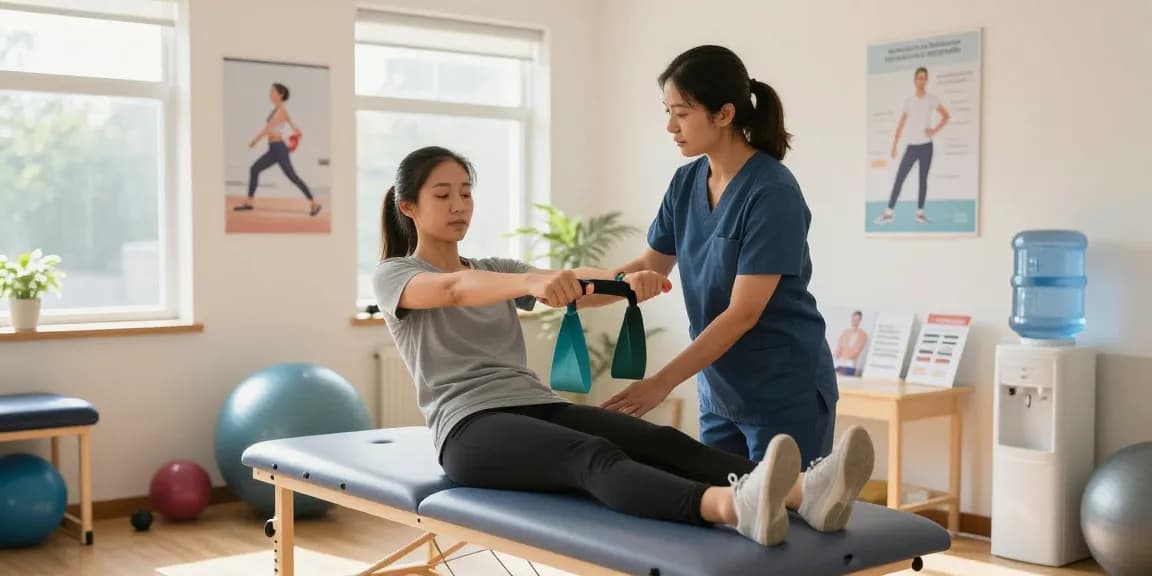
Understanding Physical Therapy
Physical therapy is a crucial component of rehabilitation that aids individuals in recovering from injuries, managing pain, and improving overall physical function. Whether you're dealing with a sports injury, chronic pain, or a post-operative recovery, seeking help from a qualified physical therapist can make a significant difference in your journey toward recovery. In Burlington, many residents are looking for the best options when searching for a Pt office near me burlington, which offers specialized care tailored to their needs.
What is Physical Therapy?
Physical therapy (PT) involves the assessment and treatment of physical impairments and disabilities through various therapeutic techniques. Physical therapists are licensed professionals who use exercises, manual therapy, modalities, and patient education to enhance recovery. Their goal is to restore movement and function, prevent disability, and improve the quality of life for individuals facing a wide range of health issues.
Benefits of Physical Therapy for Recovery
The benefits of physical therapy extend beyond simple pain relief. Here are some key advantages:
- Improved mobility: PT helps patients regain movement in affected areas, which is crucial for returning to daily activities.
- Pain management: Through targeted exercises and techniques, physical therapists can significantly reduce pain levels.
- Strength restoration: Customized exercise plans help rebuild strength, which is often lost during periods of inactivity.
- Preventing surgery: In many cases, effective physical therapy can eliminate the need for surgical interventions.
- Enhanced athletic performance: For athletes, PT can optimize physical performance and reduce the risk of future injuries.
Common Conditions Treated in Physical Therapy
Physical therapists treat a variety of conditions, including:
- Musculoskeletal injuries (e.g., sprains, strains, fractures)
- Neurological disorders (e.g., stroke, multiple sclerosis)
- Chronic pain conditions (e.g., arthritis, fibromyalgia)
- Post-surgical rehabilitation (e.g., joint replacements or repairs)
- Cardiovascular issues (e.g., heart attack recovery)
Finding a Quality PT Office
When searching for a physical therapy office, particularly one nearby in Burlington, it's essential to consider various factors to ensure quality care. Look for facilities that employ licensed physical therapists, have a strong reputation in the community, and offer personalized treatment plans.
What to Look for in a PT Office Near Me Burlington
Several attributes define a quality PT office. These include:
- Reputation: Read reviews and testimonials from other patients to gauge the quality of care provided.
- Facilities: Check the office for cleanliness, accessibility, and the presence of modern equipment.
- Range of Services: A good clinic should offer various therapies tailored to meet diverse patient needs.
Evaluating Therapist Credentials and Experience
It's crucial to ensure that the therapists at the office you choose have the appropriate qualifications:
- Licensure: Ensure that therapists are licensed to practice and have the required certifications.
- Experience: Inquire about their experience with specific conditions or injuries you may have.
- Specializations: Some therapists may have advanced training in specific areas, such as sports medicine or geriatrics.
Importance of Accessibility and Location
A PT office's location matters significantly for consistent attendance. Consider offices that are conveniently located and offer flexible hours to accommodate your schedule. Accessibility features, such as ramps and parking, are also essential for ease of access, especially for individuals with mobility limitations.
Rehabilitation Techniques and Strategies
Physical therapy encompasses various techniques and strategies aimed at facilitating recovery and improving function. Understanding these can help you make informed choices regarding your treatment.
Overview of Common Rehabilitation Techniques
Several common techniques include:
- Manual therapy: Hands-on techniques used by therapists to mobilize joints and manipulate soft tissues.
- Therapeutic exercises: Specific exercises aimed at improving strength, flexibility, and endurance.
- Modalities: Use of heat, cold, electrical stimulation, and ultrasound for pain relief and muscle relaxation.
- Education: Teaching patients about their conditions and providing self-management strategies.
Individualized Treatment Plans and Their Importance
A critical aspect of effective physical therapy is individualized treatment plans tailored to each patient’s specific needs and goals. These plans are developed after thorough assessments and consider factors such as:
- The patient's medical history
- The severity of the condition
- Personal goals (e.g., returning to sports, daily activities)
Using Technology in Modern Physical Therapy
Technological advancements are transforming physical therapy practices. Some innovative tools include:
- Telehealth: Remote therapy sessions that increase accessibility for patients.
- Wearable devices: Monitoring tools that track patient progress and activity levels.
- Virtual reality (VR): Interactive environments to aid rehabilitation and engage patients.
Overcoming Barriers to Recovery
Recovery can be an uphill battle, especially when faced with various barriers. Identifying these challenges is the first step toward overcoming them.
Identifying Common Challenges in Physical Therapy
Challenges that patients may encounter include:
- Pain and discomfort: Initial treatments can be uncomfortable, causing reluctance to continue therapy.
- Time constraints: Busy schedules may interfere with consistent attendance and adherence to home exercises.
- Financial concerns: Therapy costs may pose a barrier for some patients without adequate insurance coverage.
Encouraging Patient Engagement and Motivation
Fostering engagement is vital for successful outcomes. Strategies to enhance motivation include:
- Setting realistic goals that are easily achievable.
- Tracking progress and celebrating milestones.
- Encouraging open communication with therapists about concerns and expectations.
Addressing Misconceptions About Physical Therapy
Many misconceptions can deter individuals from pursuing physical therapy. Common myths include:
- PT is only for injuries or surgery recovery.
- It is always painful and uncomfortable.
- Therapy sessions are long and require a significant time commitment.
Educating patients about the reality of physical therapy can help reduce these fears and encourage them to seek help sooner rather than later.
Future Trends in Physical Therapy
The landscape of physical therapy is continuously evolving, influenced by emerging trends and innovations. Keeping abreast of these developments is essential for both practitioners and patients.
Emerging Technologies Impacting Physical Therapy
Several emerging technologies are making waves in the field of PT:
- Artificial Intelligence (AI): AI is being used to analyze patient data and predict the most effective treatment plans.
- 3D Printing: Customized orthotics and braces can be created to fit individual patient needs.
- Mobile Applications: Apps that assist patients in tracking their progress and adhering to their exercise regimens.
Predictions for Patient Care Practices in 2026
As we move into 2026, patient care practices will likely focus more on:
- Holistic approaches that integrate mental health with physical rehabilitation.
- Increased collaboration among healthcare providers to offer comprehensive care.
- Greater emphasis on preventive care strategies to minimize the risk of injuries.
How to Stay Informed on Industry Developments
To stay informed about the latest trends in physical therapy, consider:
- Following reputable healthcare organizations and physical therapy associations.
- Engaging in continual education through workshops and online courses.
- Participating in forums and discussions to exchange knowledge with fellow patients and practitioners.
What should I expect during my first physical therapy session?
During the initial session, your therapist will perform a comprehensive evaluation, discuss your medical history, and develop an individualized treatment plan. Expect to engage in some exercises and receive education on your condition.
How can I find a PT office that specializes in my condition?
It's best to consult with your primary care physician for recommendations. You can also search online for specialized practices or visit professional association websites to find qualified therapists in your area.
Are there any insurance considerations for physical therapy?
Insurance coverage for PT varies significantly. It's essential to check with your provider to understand what services are covered, any co-pays, and whether you need a referral from a primary care physician.
What exercises can I do at home to complement my physical therapy?
Your therapist will provide specific exercises tailored to your condition, which may include stretches, strength training, or balance exercises that can be done safely at home.
How to measure progress in physical therapy?
Progress can be tracked through regular assessments by your therapist, measurements of strength and mobility, and personal feedback on pain levels and daily function.